Career story
My work has moved from web interfaces to complete products, then into financial and blockchain systems, and now into intelligent interfaces.
That has covered consumer products, financial institutions, startups, open-source infrastructure, and technical communities since 2010. The work library and individual project pages carry the implementation details.
Interfaces and a JavaScript community
American Express needed credit-card marketing screens that could be tested and measured inside an established financial organization. As UI Engineer from 2010 to 2012 I built comparison sliders and landing pages, wired responsive layouts, A/B testing, and analytics, and helped move a large frontend from Dojo to jQuery.
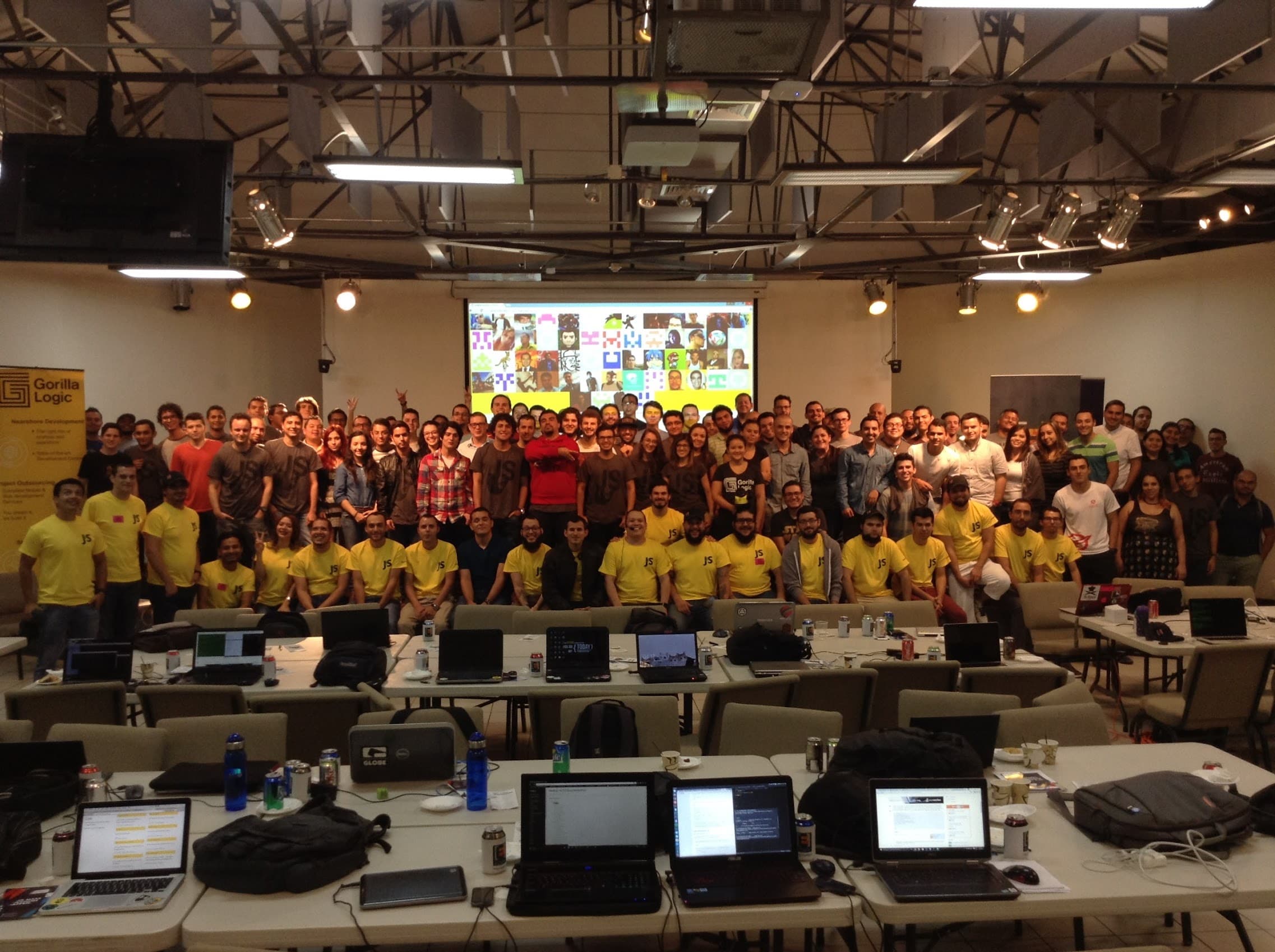
I also founded Costa Rica JS in 2010. It grew past 2,000 developers through meetups, workshops, NodeSchool, and JSConf Costa Rica as Node.js and modern web frameworks arrived in the region.
At AMC Networks, as Lead UI Engineer from 2012 to 2014, I owned the frontend for YEAH!, an interactive streaming movie service that launched at SXSW 2013. In 2013 I also shipped a fantasy-tennis strategy game and a realtime flight-information display for ARINC.
From interfaces to a banking product
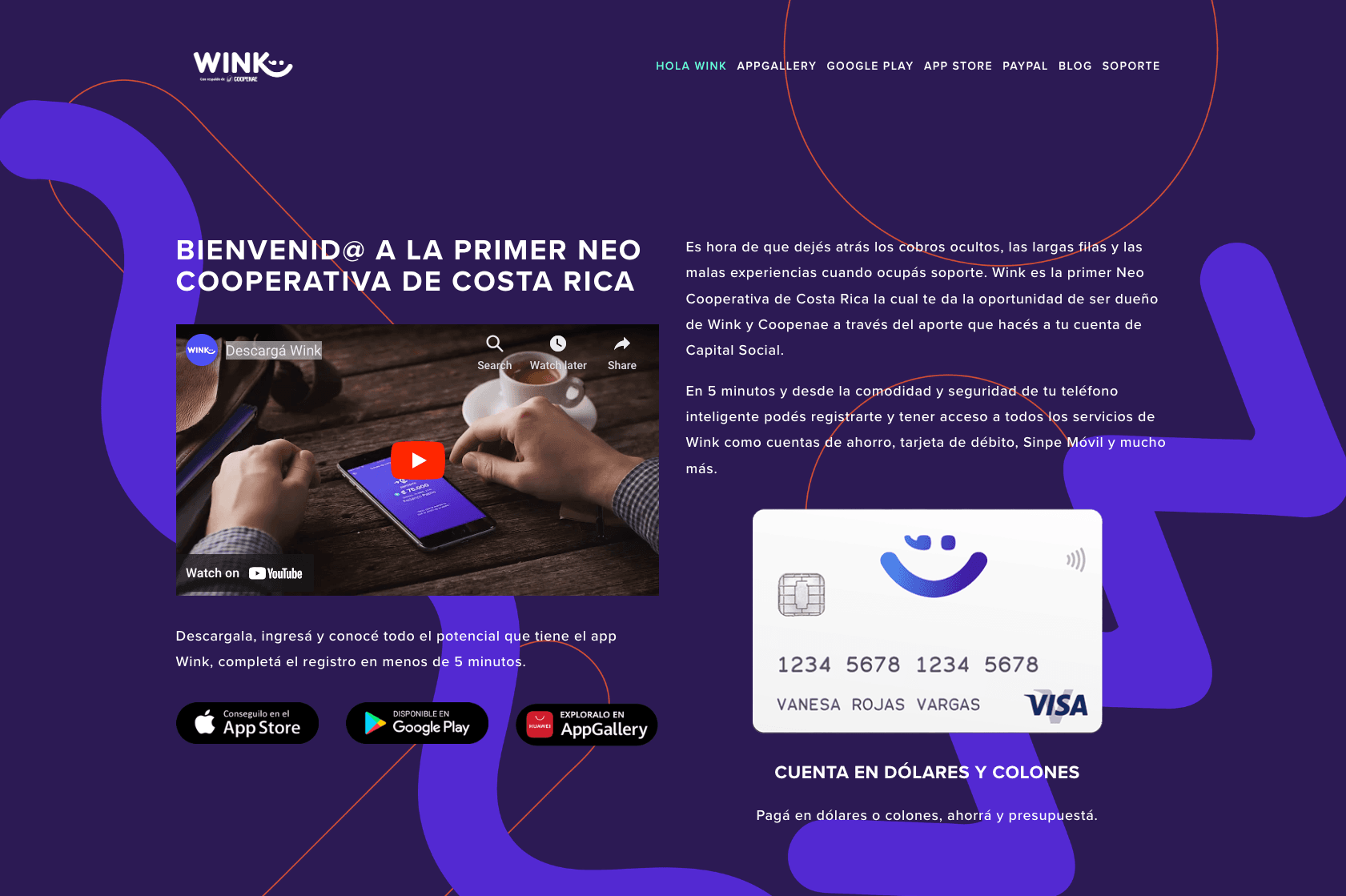
Wink was Costa Rica's first neobank: banking on a phone, without a branch visit. I joined as Lead Engineer in 2015 and stayed through 2018. I built the first version of the React Native application and AWS backend, integrated partner-bank APIs, and implemented biometric authentication through a native bridge.
Technology selection, project planning, and partner and vendor coordination sat inside that product, and launch required forming a development team that did not exist yet.
Wink is also where I settled on something I still hold: technology should expand access rather than create new gatekeepers, and at Wink that meant opening a bank account no longer required a trip to a branch.
Complex financial and blockchain systems
The next stretch was the system-to-interface problem: token state, private chains, exchanges, and wallets people use, with the implementation detail on /web3 and the project pages.
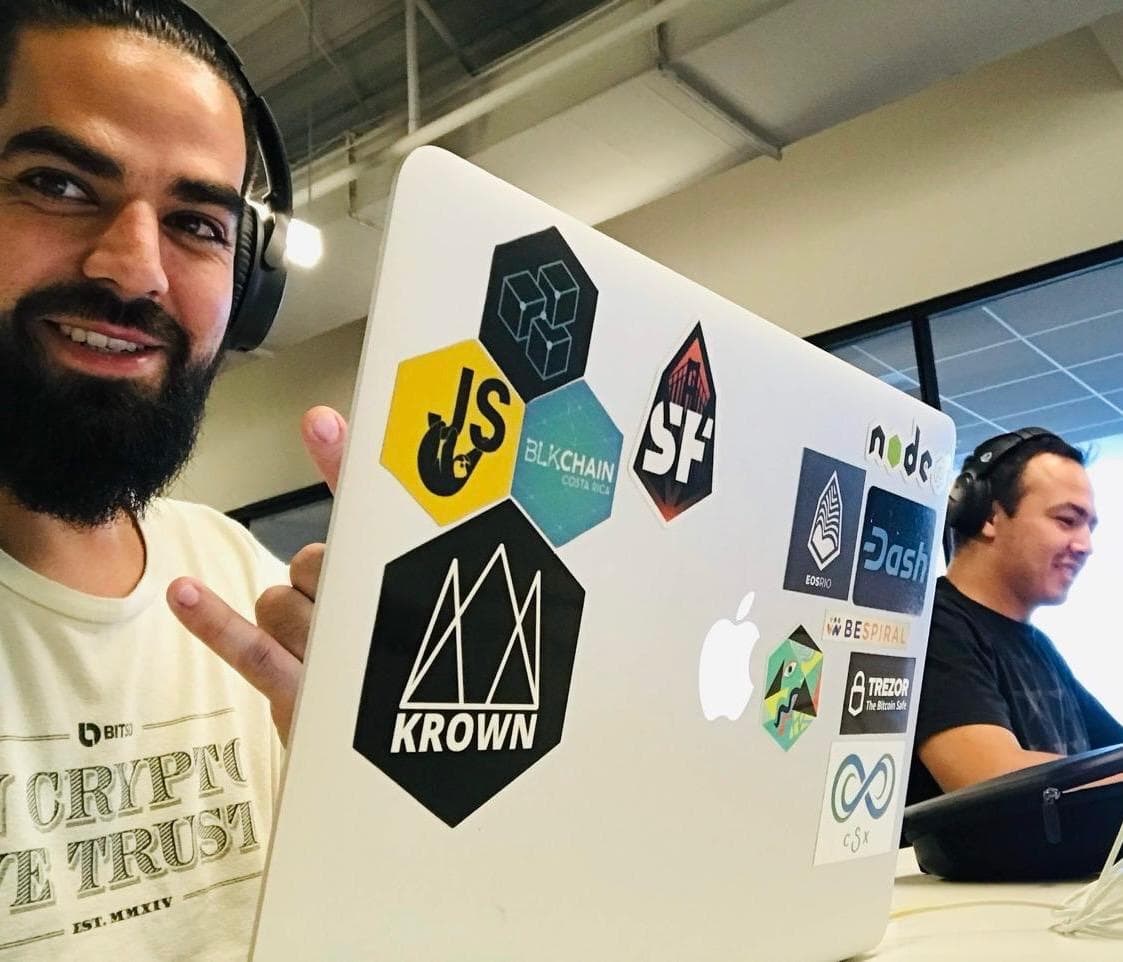
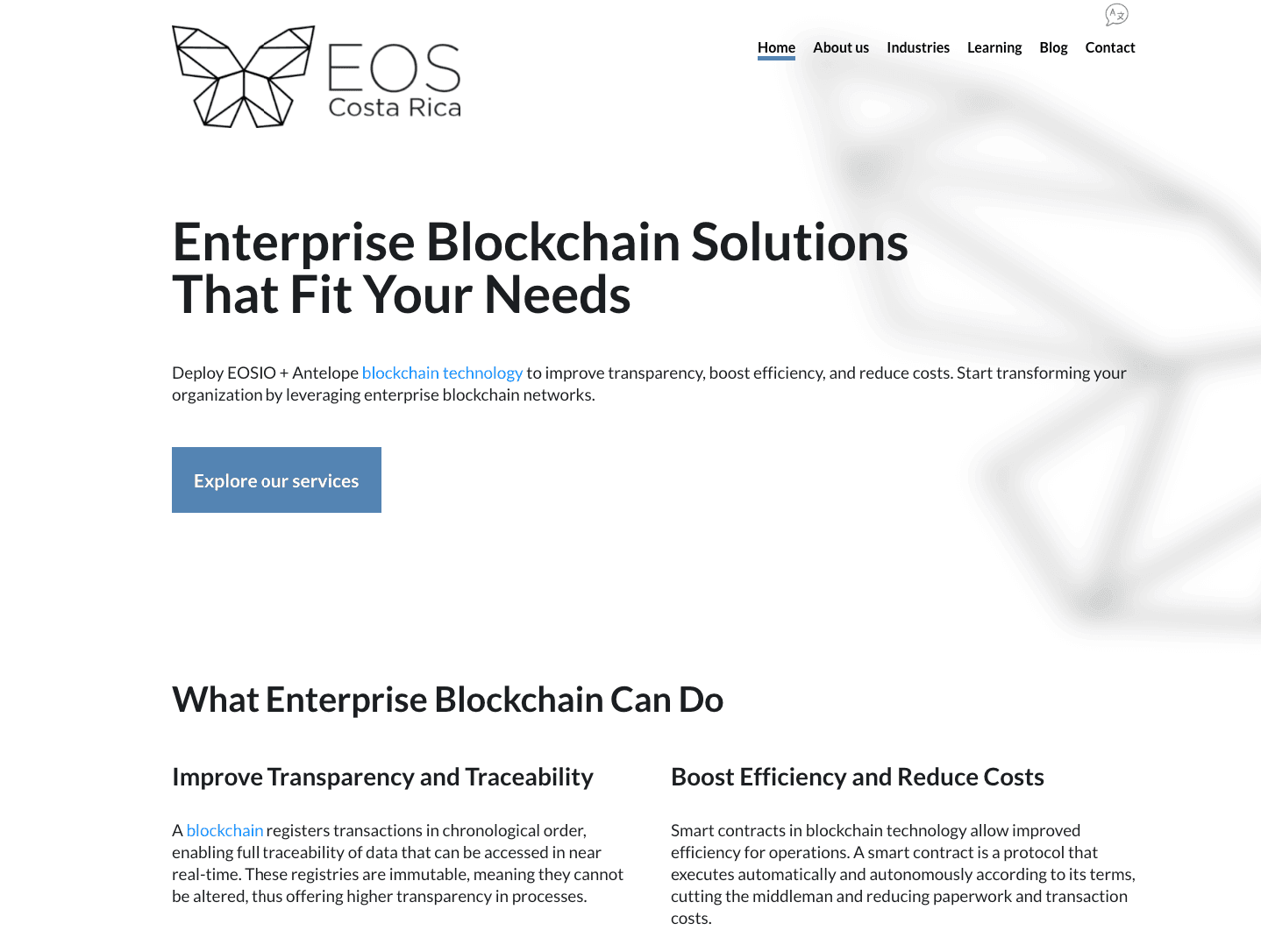
Tokens and protocol infrastructure came first: Knowledge's ERC-20 token and marketplace from 2017 to 2018, AsoBlockchain, which I co-founded in 2017, and EOS Costa Rica from 2018 to 2020, around the EOS mainnet launch and a private chain for Grant Thornton Labs. Exchanges and indexed chain data followed with Bitcash from 2020 to 2021, and ChainGraph grew out of that work as an open-source GraphQL toolkit for EOSIO and Antelope data.
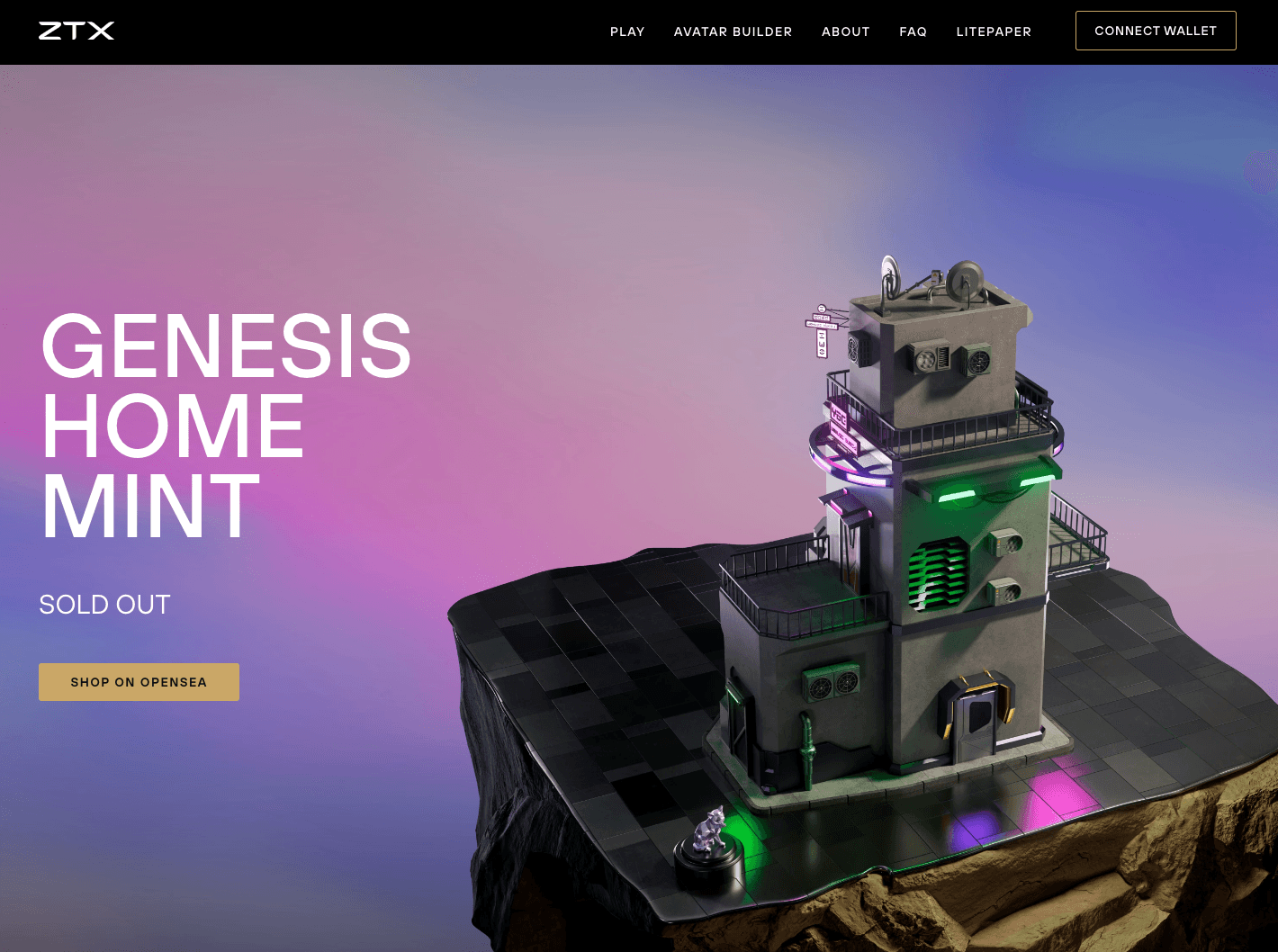
RareMint, ZTX, Bitlauncher, and Opyn pushed the same problem into collectible auctions, a virtual-world wallet, a token launchpad, and an options trading interface.
Intelligent interfaces
The latest turn is toward intelligent interfaces. Specialized assistants showed up in Masterbots in 2024 and in Bitlauncher's RAG chatbot, and in 2025 LegalAgent's voice and chat assistant became the main evidence for that work, which sits on /ai.

Writing
Hammock-Driven AI
October 16, 2026
Iteration Velocity
October 2, 2026
Context Engineering
September 30, 2026
Product Engineering
September 16, 2026
AI Coding Factories
September 12, 2026
AI Agents are Infrastructure
May 20, 2026
The Forward Deployed Engineer
April 1, 2026
Engineering in the AI Era
February 10, 2026
The work now
I work as a product engineer across AI, full-stack applications, financial systems, and Web3. I work in English, Spanish, Portuguese, and Italian.
Open to direct hire, international hire, or contracting through Blockmatic Labs LLC. Cannot work under W-2. Based in Costa Rica, working US Mountain Time.
Tell me what you're building and where it's stuck. Start a conversation.