I've worked with US teams for years as a product engineer, shipping web, AI, and Web3 products end to end, and along the way I've tried most payment and engagement models: direct invoices from abroad, employer-of-record setups, hybrid retainers, and pseudo-payroll arrangements. After a lot of trial, error, and paperwork, the model that has worked best for both sides is operating as a 1099 contractor through my Delaware LLC, Blockmatic Labs LLC.
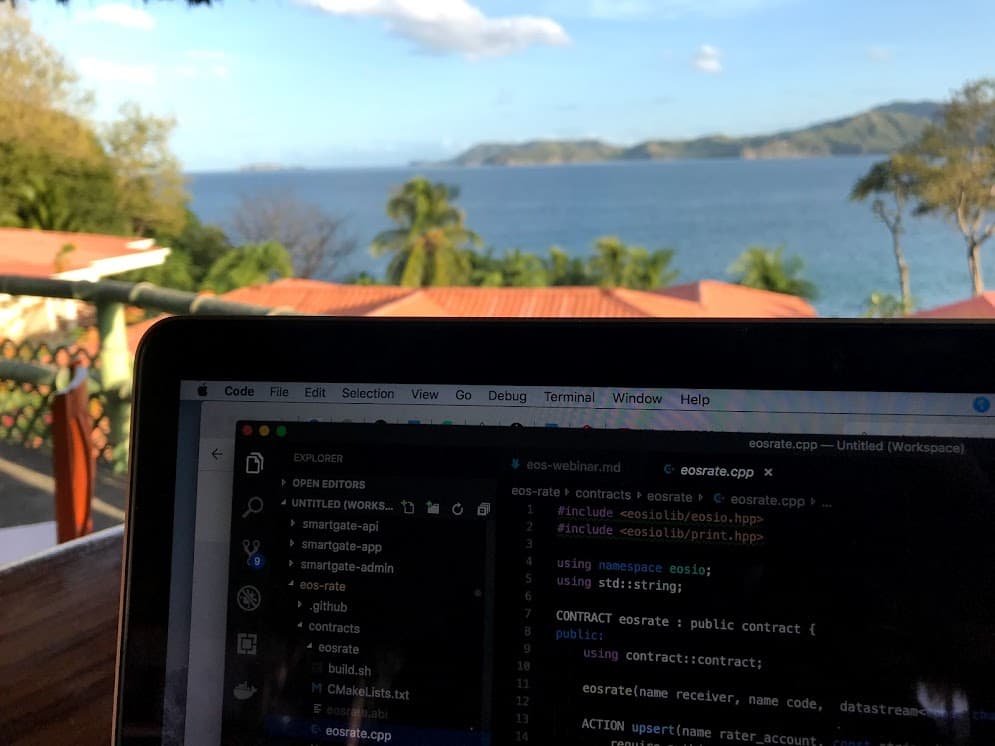
I'm based in Costa Rica, aligned with US Mountain Time, and a short flight from major US cities. I usually work with one client at a time, often full time under a perpetual contract with no fixed termination date, and these long-term engagements are mostly with startups in Web3 or AI. Depending on the project, I often negotiate some form of equity or token allocation so incentives line up with outcomes.
The model works outside the US as well. I've used it to contract with companies in Germany, Korea, Singapore, and other markets, because Delaware entities are recognized globally and the setup keeps compliance clear wherever the client is.
Why 1099 instead of payroll
Four reasons make it the better fit:
- Global work with less friction: W-2 payroll isn't designed for non-US residents working remotely, while 1099 is the standard path.
- Speed and scope: an engagement starts without payroll onboarding, changes shape as the work does, and stay focused on outcomes.
- Procurement fit: most companies already support LLC vendors.
- Separation of concerns: my LLC handles operations, and clients focus on the product.
The US-side setup
Not legal/tax advice. Every case is different; talk to a professional before copying my setup.
Stripe Atlas handles LLC formation, the EIN, and templates, and Mercury holds the USD account, cards, and statements. OpenPhone gives me a US number for client communication and verifications, QuickBooks tracks invoices, categories, and reports, and onlinetaxman.com handles the annual filings a non-resident LLC needs.
My rule of thumb is that I'm not a US person, I perform the work outside the US, and I don't sell into the US, so the revenue is treated as foreign-sourced (services are sourced where they're performed) and no US income tax applies to it. I still complete the paperwork payors and banks need, including W-8BEN or W-8BEN-E as applicable, the LLC's annual Form 5472 with a pro-forma 1120 through onlinetaxman.com, and any 1042-S I'm issued, so the records stay clean. Your facts may differ, so confirm with a professional.
Costa Rica compliance
On the Costa Rica side I keep three registrations current:
- Hacienda (tax authority): I'm registered as independiente, which helps with bank KYC, credit, and legitimacy even when local income is zero.
- Caja (social security): registration as independiente is mandatory.
- Private health insurance: Caja is strong for serious care but slow for consults, and private coverage gives same-day access.
When banks ask for source of funds, the compliance packet listed below is usually enough.
Money flow from contract to filing
The full path from contract to annual filing has six steps:
- Sign the MSA and SOW as Blockmatic Labs LLC, as a 1099 contractor.
- Invoice in USD through QuickBooks, bi-weekly or monthly.
- The client pays into Mercury.
- Wire funds to Costa Rica as needed and keep the books clean.
- File the US forms annually through onlinetaxman.com.
- Report income in Costa Rica and stay current with Caja.
That gives clients USD pricing, clean invoicing, and a vendor relationship procurement already understands, and it keeps both sides focused on results instead of payroll overhead.
Contracts and operations
Two more tools cover the rest:
- Contracts: a plain-English MSA and SOW signed through DocuSign.
- Operations: client checklists in Notion.
Common questions
Can a US company hire me as 1099 if I live in Costa Rica? Yes, through a US LLC, which is a standard arrangement.
Do I need to be in the US to use Mercury or Stripe Atlas? No, but you'll need to pass KYC and submit the required documents.
Will Costa Rican banks accept USD wires from my LLC? Yes, and they'll ask for proof of source, so keep your compliance packet ready.
What about taxes? I file annually in the US through onlinetaxman.com and meet the local obligations with Hacienda and Caja, and QuickBooks keeps everything reconciled.
Compliance packet checklist
When banks or clients need proof of legitimacy, I keep these ready:
- LLC formation documents and EIN
- Contracts and SOWs
- QuickBooks invoices
- Mercury statements for the last three to six months
- Proof of Hacienda and Caja registration
- Private health plan (optional)
Running 1099 through a US LLC has been the cleanest way for me to work with US clients from Costa Rica, with fast onboarding, USD invoicing, and clear compliance, and if you're outside the US and want to work with US clients, the same model may fit you. Companies that prefer incorporated vendors can engage me through Blockmatic Labs LLC, and the contact page is where to start that conversation.